
The Treasure Hunt Economy: Why Consumers Are Embracing Closeout Retail
Steven Beadles • June 1, 2026

For decades, closeout retail was viewed primarily as a way to move excess inventory. Manufacturers, distributors, and retailers used liquidation channels to recover value from products that no longer fit their primary sales strategies.


Today, something different is happening.


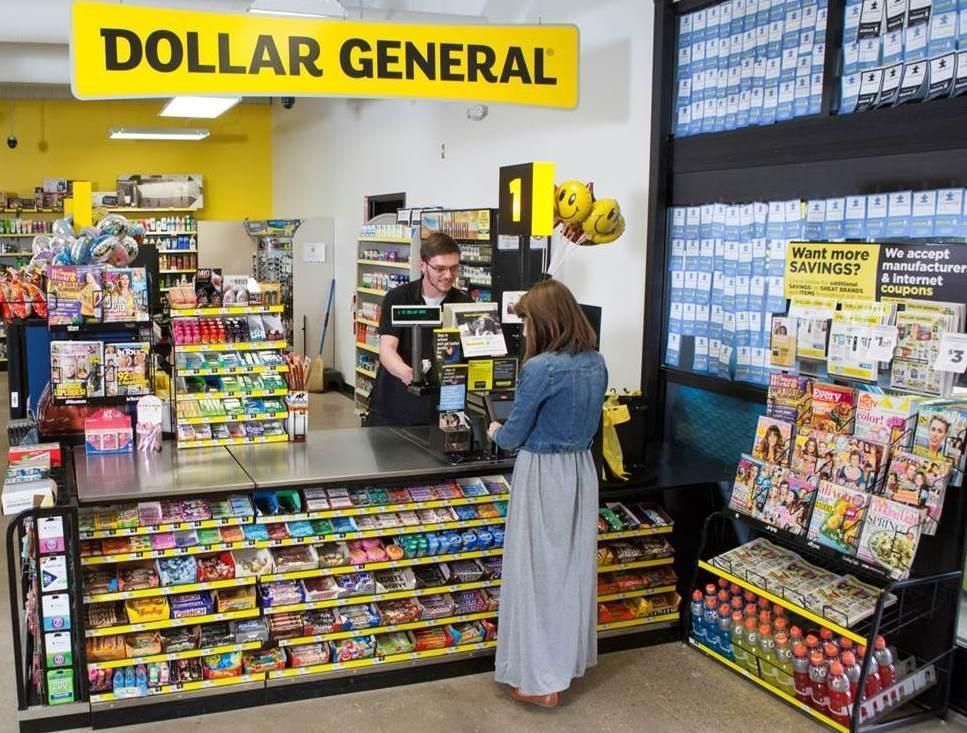
Consumers are no longer visiting discount and closeout stores solely because they offer lower prices. Increasingly, shoppers are drawn to the experience itself—the possibility of discovering an unexpected bargain, a recognizable brand, or a product they didn't expect to find.


Retail analysts often refer to this as the "treasure hunt" shopping experience, and it has become one of the most powerful forces shaping value-oriented retail.


"The consumer has changed," says Allen R. Klein, President of the Allen R. Klein Company. "People still care about price, but they also enjoy the experience of finding something unexpected. There is a sense of discovery that traditional retail doesn't always provide."


That desire for discovery is helping fuel the growth of discount retailers, warehouse liquidation stores, closeout outlets, and other value-focused retail formats across North America.


A Different Kind of Shopping Experience


Traditional retail is built on consistency. Consumers expect to find the same products in the same locations week after week.


Closeout retail operates differently.


Inventory changes constantly. Product assortments vary from store to store. A shopper who visits on Tuesday may encounter a completely different selection than they would find the following week.


That unpredictability creates excitement.


Industry researchers have noted that many consumers now view bargain shopping as a form of entertainment as much as a purchasing activity. The possibility of finding a high-quality product at a deeply discounted price encourages repeat visits and creates a sense of urgency.


"If customers believe they can always come back later and find the same item, they may postpone a purchase," says Roger Bolduc, Vice President of Operations at the Allen R. Klein Company. "In closeout retail, shoppers know the opportunity may not be there tomorrow."


Why More Inventory Is Entering Secondary Markets


The growth of treasure-hunt retailing coincides with broader changes throughout the supply chain.

Retailers continue to refine product assortments. Manufacturers adjust production forecasts. Companies update packaging, discontinue product lines, and respond to changing consumer demand.


These decisions frequently create excess inventory that remains perfectly retail-ready but no longer fits within its original sales channel.


As discussed in previous industry trends, inventory generated through SKU rationalization, post-holiday returns, seasonal transitions, and shifting retail strategies increasingly finds its way into secondary markets.

That inventory becomes the fuel that powers the treasure-hunt retail experience.


Consumers Continue to Seek Value


Even as inflation has moderated, consumer purchasing habits remain cautious.


According to research from organizations such as the National Retail Federation and McKinsey & Company, shoppers continue to prioritize value and carefully evaluate spending decisions.


Importantly, value no longer means purchasing the lowest-priced item. Consumers increasingly define value as obtaining a quality product at a favorable price.


That distinction benefits closeout retail.


A recognizable national brand offered at a significant discount often generates stronger consumer interest than a lower-priced alternative with less brand recognition.


"Consumers are incredibly informed today," Klein says. "They know what products typically sell for. When they find those products at meaningful discounts, they respond."


A Growing Opportunity for Retailers


The popularity of treasure-hunt shopping has created opportunities for retailers that specialize in opportunistic purchasing.


Warehouse liquidation stores, discount chains, closeout retailers, and independent operators all benefit from access to changing assortments and unique inventory opportunities.


For these businesses, variety becomes a competitive advantage.


The constant flow of merchandise encourages repeat visits and allows retailers to differentiate themselves from traditional competitors.


"Many of these retailers have built loyal customer bases because shoppers never know exactly what they will find," Bolduc says. "That creates engagement that is difficult to replicate."


The Bigger Picture


The rise of treasure-hunt retail reflects a broader shift in consumer behavior.


Shoppers continue to seek value, but they also seek discovery. They enjoy finding unexpected products, recognizable brands, and opportunities that feel unique.


For manufacturers, distributors, and retailers managing excess inventory, that trend provides an increasingly important outlet.


What once might have been viewed solely as surplus merchandise is now helping power a growing segment of the retail marketplace.


The result is a retail ecosystem where inventory continues to move, consumers continue to save, and value can be recovered long after a product leaves its original sales channel.


RELATED INDUSTRY INSIGHTS


• Retailers Are Cutting SKUs. What Happens to the Excess Inventory?

• Why Dollar Stores Are Absorbing More Closeout Inventory Than Ever

• Where Does Excess Inventory Go? Inside the Hidden Market for Retail-Ready Closeouts


☎️ Ready to Move Inventory?


Contact the Allen R. Klein Company today and learn how decades of experience and trusted relationships can help with your company's liquidation needs.

By Steven Beadles July 1, 2026
Trade uncertainty, tariffs, and global supply chain disruptions are changing inventory strategies. Learn how today's business decisions are creating tomorrow's excess inventory and why secondary markets have become a strategic business tool.
By Steven Beadles May 5, 2026
Excess inventory is one of the most persistent realities in modern retail. Every season, manufacturers, distributors, and retailers find themselves managing product that no longer fits within primary sales channels. Assortments change, forecasts miss, packaging updates occur, and consumer demand shifts. The common assumption is that this inventory simply disappears through discounting or is written off entirely. In reality, it moves. Behind the scenes, there is a structured and highly active secondary market dedicated to redistributing retail-ready goods into alternative channels. “Most people think excess inventory goes away,” says Allen R. Klein, President of the Allen R. Klein Company. “It doesn’t. It moves into different retail environments, often very quickly.” Liquidation Is Not Disposal The term “liquidation” often carries the wrong connotation. Rather than representing a loss, liquidation is more accurately a form of redistribution. Product that no longer aligns with one retail strategy can still hold value in another. According to the National Retail Federation, inventory management has become increasingly dynamic as retailers refine assortments and respond more quickly to changing consumer behavior. These adjustments frequently create surplus inventory that must be repositioned. That product does not lose its utility. It simply requires a different path to market. “Retail-ready goods still have value,” Klein explains. “The challenge is finding the right channel where that value can be realized.” The Buyers Behind the Market The secondary retail market is supported by a broad network of buyers, each with different requirements and purchasing strategies. These include: ● Dollar stores and value-focused chains ● Discount retailers ● Regional store groups ● Independent operators ● Export-focused buyers Each of these channels serves a distinct segment of the consumer market, often emphasizing value, flexibility, and opportunistic purchasing. As discussed in recent industry analysis, including the continued expansion of value-oriented retail, dollar store and discount channels are playing an increasingly important role in absorbing excess inventory. “Buyers in these channels are very disciplined,” says Roger Bolduc, Vice President of Operations at the Allen R. Klein Company. “They know what works for their customers, and they’re ready to act when the right product becomes available.” How Inventory Moves The movement of excess inventory is driven by timing, relationships, and market awareness. Unlike traditional retail distribution, which follows structured purchasing cycles, the closeout market operates with a high degree of flexibility. Opportunities emerge quickly, and product must be placed efficiently. Inventory may originate from multiple points within the supply chain: ● Manufacturers adjusting production ● Distributors managing working capital ● Retailers refining assortments ● Post-season or program transitions As seen in recent months, including the impact of SKU rationalization strategies and post-holiday return cycles, inventory can enter secondary channels earlier and more frequently than in previous years. The ability to move that product depends on access to the right buyers. “There’s a network behind the scenes,” Bolduc says. “The key is knowing who those buyers are and how to connect product with demand quickly.” Why Speed Matters Timing plays a critical role in preserving the value of excess inventory. Products that remain in storage for extended periods face multiple risks, including changing consumer preferences, packaging obsolescence, and increased carrying costs. McKinsey & Company has noted that companies are placing greater emphasis on inventory velocity and working capital efficiency. Holding excess product ties up resources and limits flexibility. As a result, many organizations are choosing to move inventory more quickly, even if it means entering secondary channels sooner. “Speed protects value,” Klein says. “The longer product sits, the more complicated the situation becomes.” A Market That Continues to Grow The secondary retail market has evolved into a critical component of the broader retail ecosystem. As consumer demand shifts and retailers refine strategies, the flow of inventory into alternative channels has become more consistent. The growth of value-oriented retail, combined with ongoing supply chain adjustments, suggests that this market will continue to expand. “Liquidation is really about keeping product moving,” Bolduc says. “It’s not the end of the line. It’s part of the process.” The Bigger Picture Excess inventory is not an exception. It is a constant. What matters is how effectively that inventory is managed once it leaves primary retail channels. The companies that understand how the secondary market operates — and who can act quickly when opportunities arise — are better positioned to maintain value and operational efficiency. Liquidation, when approached strategically, becomes a tool for continuity rather than a measure of loss. RELATED INDUSTRY INSIGHTS ● Retail Bankruptcies Create Opportunity for Liquidators ● Tariff Whiplash and the Surge in Surplus Inventory ● The Return Tsunami: Reverse Logistics and Post-Holiday Liquidation ● Why Dollar Stores Are Absorbing More Closeout Inventory Than Ever ● Retailers Are Cutting SKUs. What Happens to the Excess Inventory? ☎️ Ready to Move Inventory? Contact the Allen R. Klein Company today and learn how decades of experience and trusted relationships can help with your company’s liquidation needs.