How Trade Uncertainty Is Changing Inventory Strategy—and Creating Tomorrow's Excess Inventory
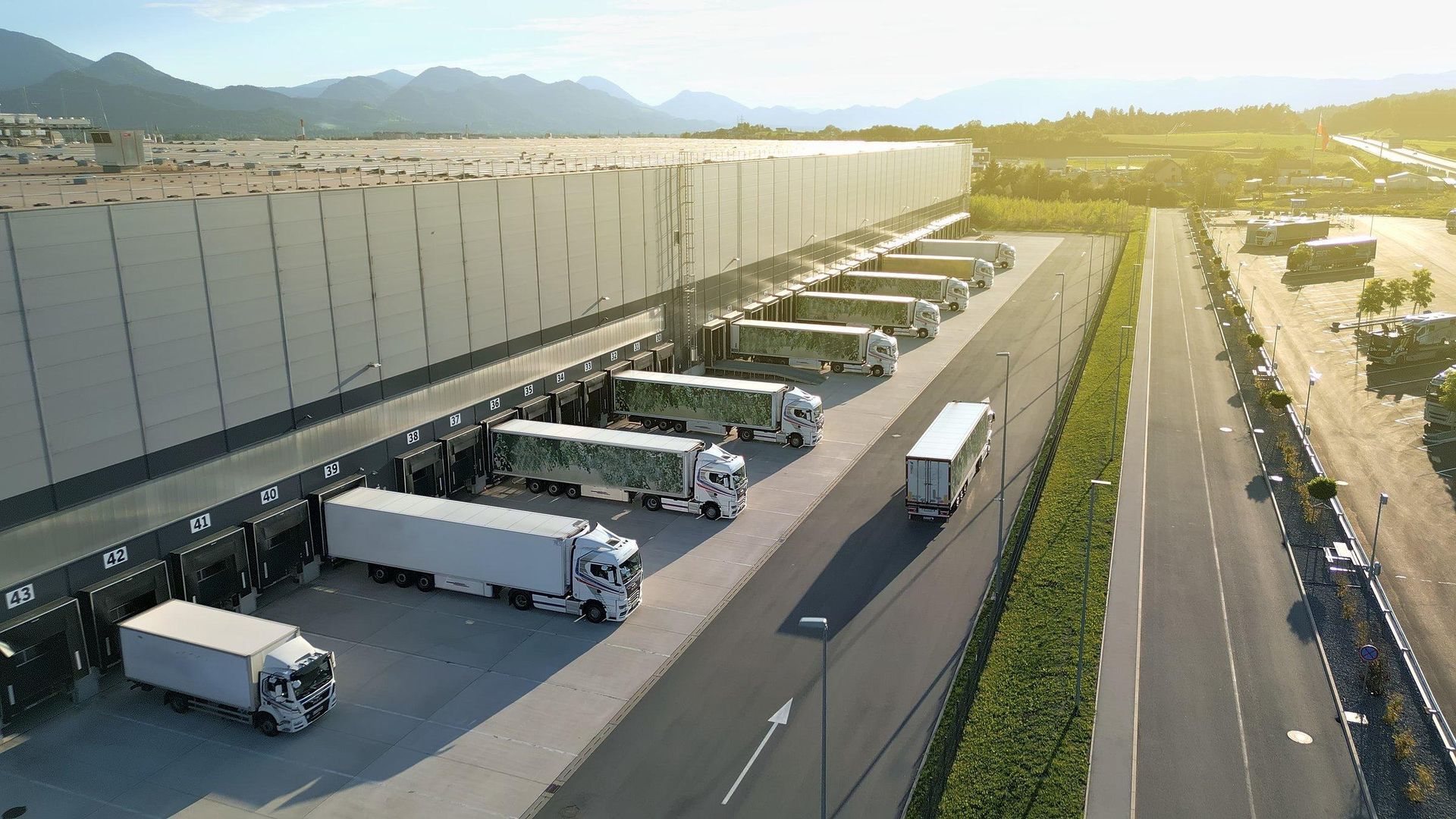
For more than three decades, supply chain professionals pursued one clear objective: carry as little inventory as possible.
"Just-in-Time" inventory management became the global standard. Companies reduced warehouse footprints, shortened purchasing cycles, and relied on increasingly sophisticated forecasting systems to keep inventory lean, improve cash flow, and minimize excess stock.
Today, that strategy is being reexamined.
Trade uncertainty, shifting tariff policies, geopolitical tensions, freight disruptions, and changing consumer demand have introduced a new level of risk into global supply chains. Rather than relying on increasingly narrow inventory buffers, many manufacturers, importers, and distributors are intentionally carrying additional inventory as a safeguard against disruption.
According to research from McKinsey & Company and Deloitte, supply chain resilience has become just as important as cost efficiency for many executive teams. Companies are recognizing that the lowest inventory levels are not always the lowest-risk strategy.
"No company sets out to buy too much inventory," says Allen R. Klein, President of the Allen R. Klein Company. "They're responding to uncertainty. When supply chains become less predictable, carrying additional inventory becomes a form of insurance. The challenge is recognizing when that insurance has become excess inventory."
When Protection Becomes Excess
Building a "Just-in-Case" safety cushion helps companies reduce the risk of stock shortages. But it can also create an expensive and often overlooked consequence.
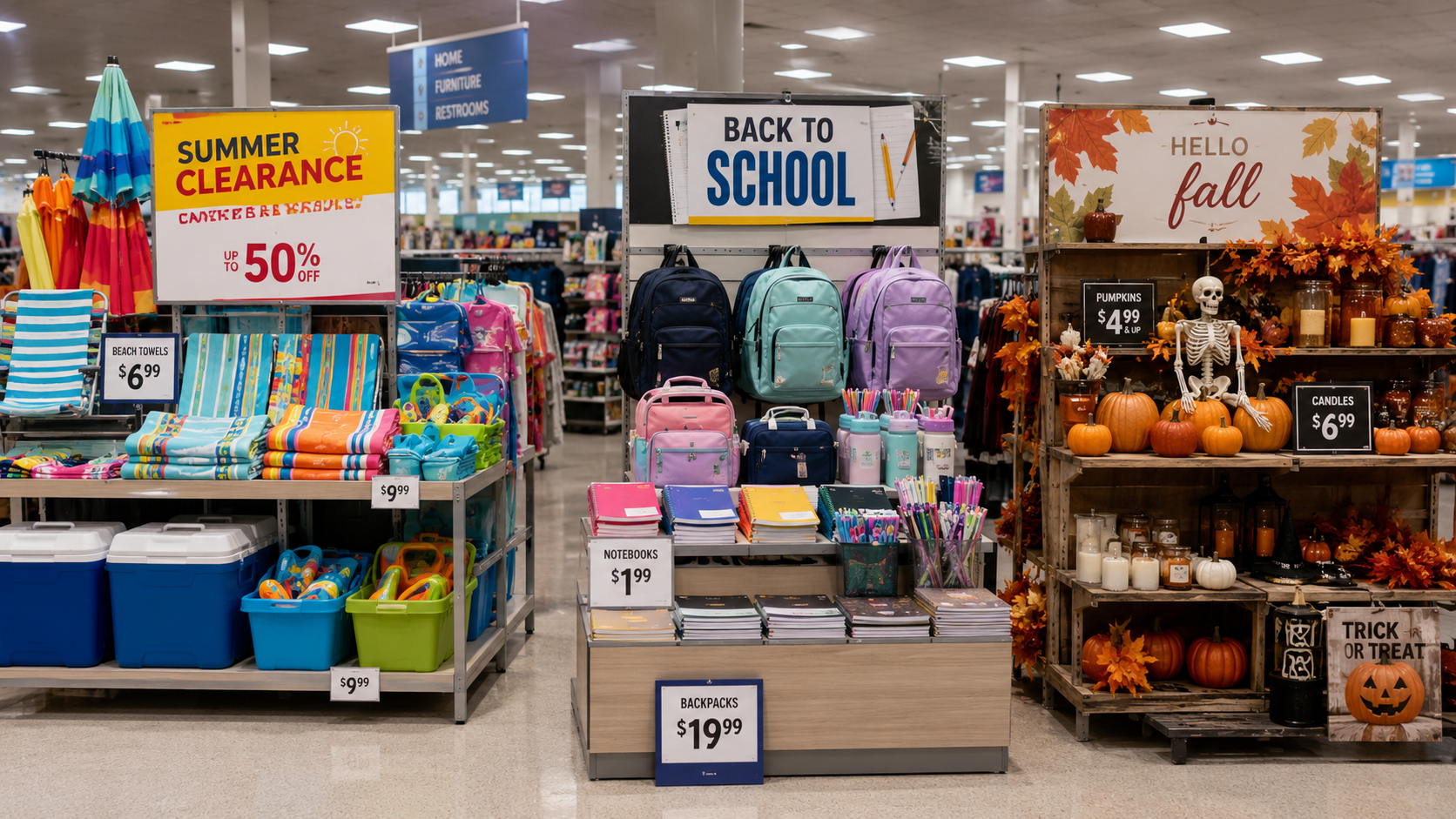
If consumer demand softens, freight conditions improve, tariff concerns ease, or product trends shift, yesterday's carefully planned safety stock can quickly become today's excess inventory.
Unlike shortages, which demand immediate attention, surplus inventory often builds quietly. It occupies warehouse space, ties up working capital, and becomes more expensive to carry with each passing month.
"The challenge isn't recognizing uncertainty," says Roger Bolduc, Vice President of Operations at the Allen R. Klein Company. "The challenge is recognizing the point where your protection strategy no longer matches the reality of the market."
The CFO Factor: Speed Over Storage
The economics of holding inventory have changed dramatically.
Higher interest rates, increased warehouse costs, and rising operating expenses mean that inventory sitting on a shelf now represents more than product waiting to be sold. It represents capital that cannot be invested elsewhere in the business.
As a result, inventory strategy has become as much a financial discussion as an operational one.
Rather than holding excess merchandise for six to twelve months in hopes of recovering full margin, many companies are making earlier decisions to reposition inventory through secondary channels.
"Companies are acting much sooner than they did just a few years ago," Klein explains. "They're looking at the total cost of holding inventory, not simply what they paid for it. Speed to liquidity has become an important business objective."
The New Strategic Secondary Market
Historically, liquidation was often viewed as the final step after every other option had been exhausted.
Today, many organizations see secondary markets very differently.
Rather than allowing inventory to lose value through prolonged storage, companies are proactively using wholesale liquidation channels to improve cash flow, free warehouse capacity, and maintain supply chain flexibility.
That shift has fundamentally changed the quality of merchandise entering secondary markets.
"Today's closeout market looks very different than it did ten years ago," Bolduc says. "Much of the inventory is current, retail-ready merchandise. It isn't damaged or outdated—it simply no longer fits the company's inventory strategy."
Agility Is Becoming a Competitive Advantage
The organizations navigating today's business environment most successfully are not necessarily those with the smallest inventories.
They are the ones that remain the most adaptable.
Supply chains are no longer designed solely for maximum efficiency. They are increasingly being designed for resilience and flexibility.
Knowing when to reposition inventory through trusted secondary channels has become an important competitive advantage rather than simply a warehouse cleanup exercise.
Executive Insight
Trade uncertainty rarely creates excess inventory by itself. It changes the decisions companies make about purchasing, sourcing, and inventory protection. As businesses build more resilient supply chains, secondary markets are becoming an increasingly important tool for preserving working capital, maintaining flexibility, and recovering value from retail-ready goods.
The Bigger Picture
Inventory strategy has entered a new era.
The question is no longer simply how little inventory a company can carry.
The question is how much flexibility it needs to remain competitive in an increasingly unpredictable world.
For manufacturers, distributors, and retailers, excess inventory is no longer simply an operational challenge. It has become a strategic byproduct of managing uncertainty.
Organizations that recognize this early—and understand when to reposition inventory through experienced secondary market partners—will be better positioned to protect both cash flow and long-term competitiveness.
RELATED INDUSTRY INSIGHTS
- Retailers Are Cutting SKUs. What Happens to the Excess Inventory?
- Why Dollar Stores Are Absorbing More Closeout Inventory Than Ever
- Where Does Excess Inventory Go? Inside the Hidden Market for Retail-Ready Closeouts
- The Treasure Hunt Economy: Why Consumers Are Embracing Closeout Retail
☎️ Ready to Move Inventory?
Contact the Allen R. Klein Company today and learn how decades of experience and trusted relationships can help with your company's liquidation needs.