The 2025 holiday season is officially behind us. But for manufacturers, distributors, and importers, the real pressure is just beginning.
According to the National Retail Federation’s 2025 Retail Returns Landscape report, U.S. retailers are expected to handle nearly $850 billion in returned merchandise, representing approximately 15.8 percent of total retail sales. Online purchases are returned at an even higher rate, approaching 19 percent.
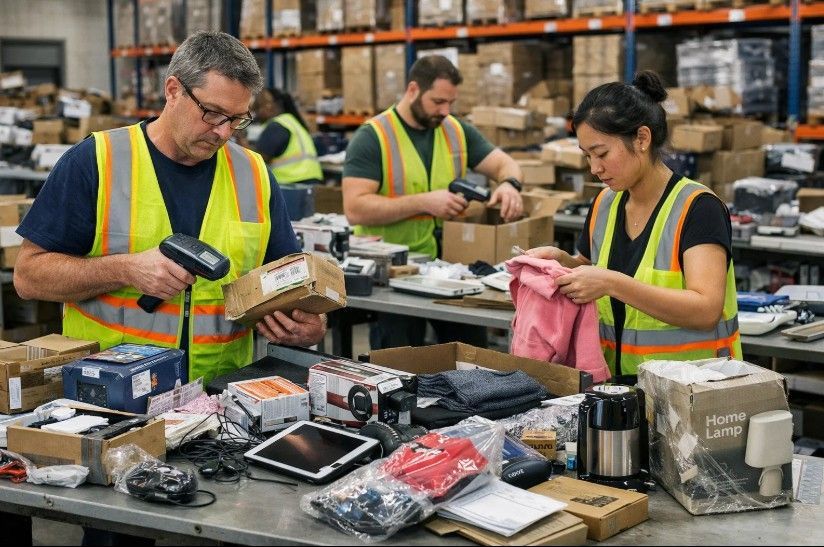
Those returns are now flowing back into distribution centers across the country and increasingly upstream into manufacturing pipelines.
“We’re seeing the aftershock now,” says Allen R. Klein, President of the Allen R. Klein Company. “The returns cycle doesn’t stop at the store counter. It works its way back through the supply chain.”
Reverse Logistics Has Become a Second Peak Season
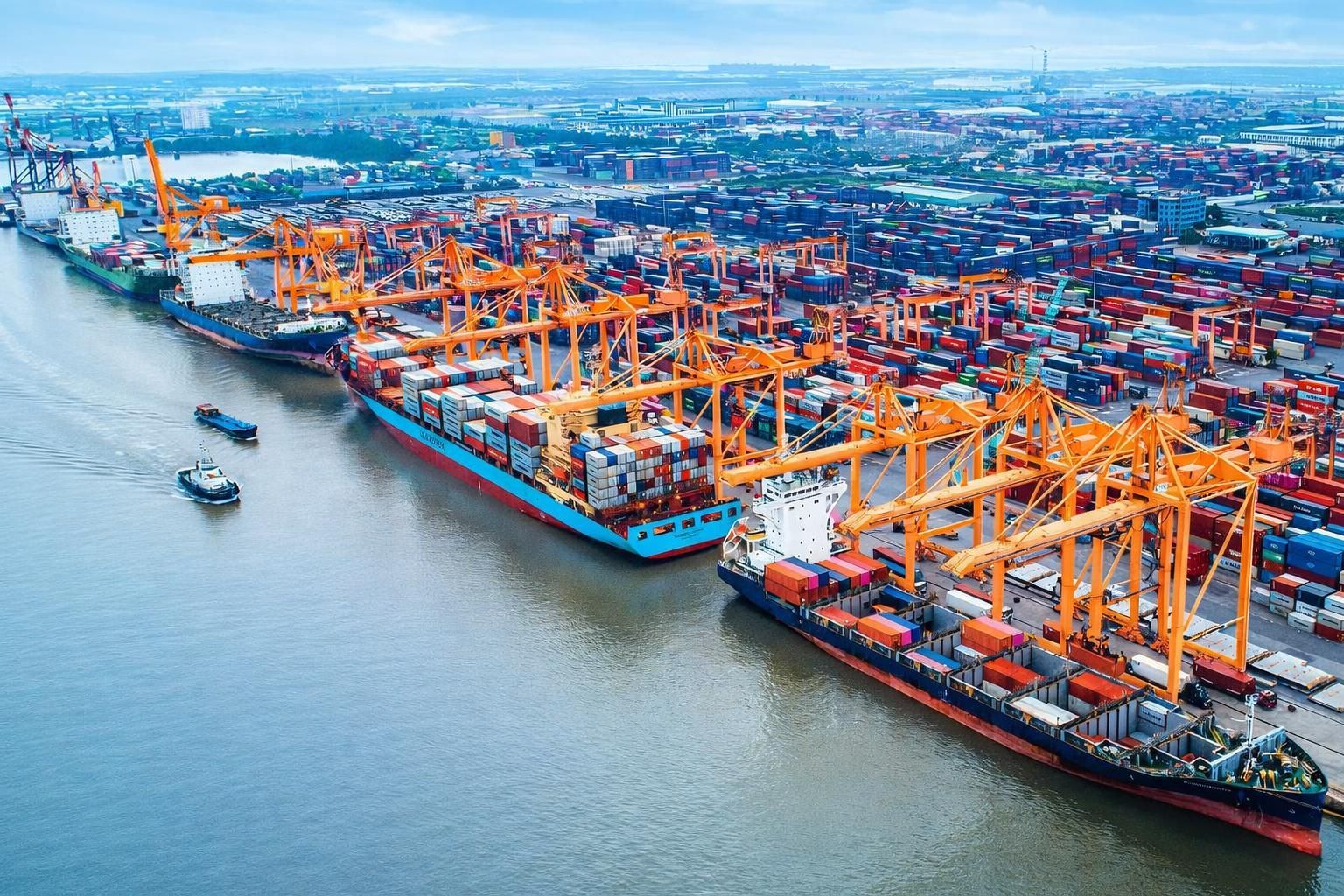
Industry analysts describe January and early February as a second shipping season. Post-holiday returns create a new surge in transportation demand, warehouse intake, inspection, and product reallocation.
DHL has reported that reverse logistics has shifted from being a cost center to a competitive advantage. In certain categories such as apparel, return rates can reach extremely high levels, forcing supply chains to adapt quickly.
“This is no longer just a retail clean-up process,” says Roger Bolduc, Vice President of Operations at ARK. “Reverse logistics is operationally critical. And when returned product cannot re-enter primary channels, liquidation becomes the release valve.”
When Returns Back Up, Manufacturers Feel It First
Consumers may see a return counter. Manufacturers see disrupted forecasts, canceled replenishment orders, damaged packaging, and seasonal mismatches.
The National Retail Federation notes that reverse logistics is increasingly recognized as part of the broader circular economy. Companies are under pressure not only to process returns efficiently but to recover value responsibly.
“Manufacturers cannot afford to warehouse returned goods indefinitely,” Klein explains. “Storage costs, cash flow constraints, and seasonal transitions make that unrealistic. Acting early protects value.”
Liquidation Is Moving Earlier in the Cycle
Historically, liquidation followed heavy retail discounting. In 2026, it is happening sooner and more strategically.
ARK has already fielded multiple early Q1 inquiries from importers and distributors managing post-holiday return volume that cannot be reabsorbed into traditional sales channels.
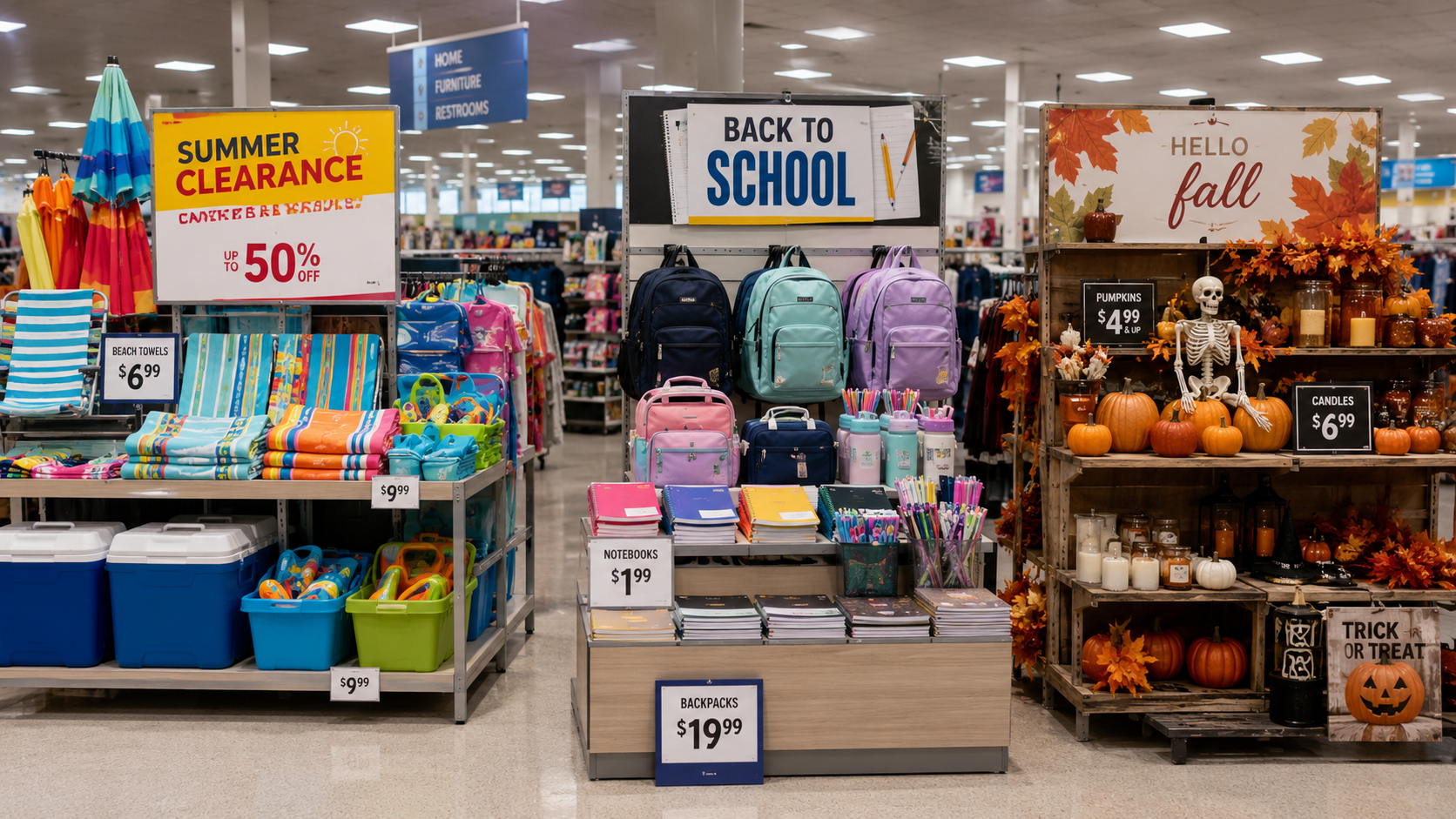
“In many cases the product is still good,” Bolduc says. “But packaging may be compromised, assortments may be incomplete, or the season has shifted. Waiting reduces recovery. Acting decisively preserves it.”
This shift marks a more proactive approach to liquidation rather than a reactive one.
Why Experience Matters During Reverse Logistics Surges
High return volume creates operational complexity. Goods must be inspected, graded, sorted, and redirected quickly. Buyers must be reliable. Delivery windows are often tight.
“Listing product online is not the same as placing it,” Bolduc says. “When thousands of units need immediate movement, relationships matter.”
Klein agrees. “After more than four decades in this business, we know which buyers can absorb product quickly and responsibly. That credibility shortens the cycle time when timing is critical.”
What to Expect Through Q1 2026
Based on industry data and ARK’s current activity, the categories most affected by post-holiday reverse logistics include:
- Apparel and accessories
- Consumer electronics
- Seasonal home goods
- Toys and gift items
- Personal care products
As ecommerce continues to expand, return volume is unlikely to decline. That means reverse logistics and wholesale liquidation will remain closely linked in the months ahead.
“The companies that respond fastest will protect the most value,” Klein says. “Those who hesitate will see margins erode.”
The Bigger Picture
The National Retail Federation projects return volumes will remain elevated as online shopping penetration grows. Logistics providers continue to invest in reverse supply chain infrastructure, acknowledging that returns are now a permanent component of modern commerce.
For manufacturers and distributors, surplus created by returns must move efficiently and discreetly.
Liquidation is not a failure. It is a strategic release mechanism.
☎️
Ready to Move Inventory?
Contact the Allen R. Klein Company today and learn how decades of experience and trusted relationships can help with your company’s liquidation needs.