Retailers Are Cutting SKUs. What Happens to the Excess Inventory?
Retailers are reducing SKU counts to simplify supply chains. But discontinued products don’t disappear. Here’s where the excess inventory goes.
In today’s retail environment, fewer choices are becoming a strategic advantage.
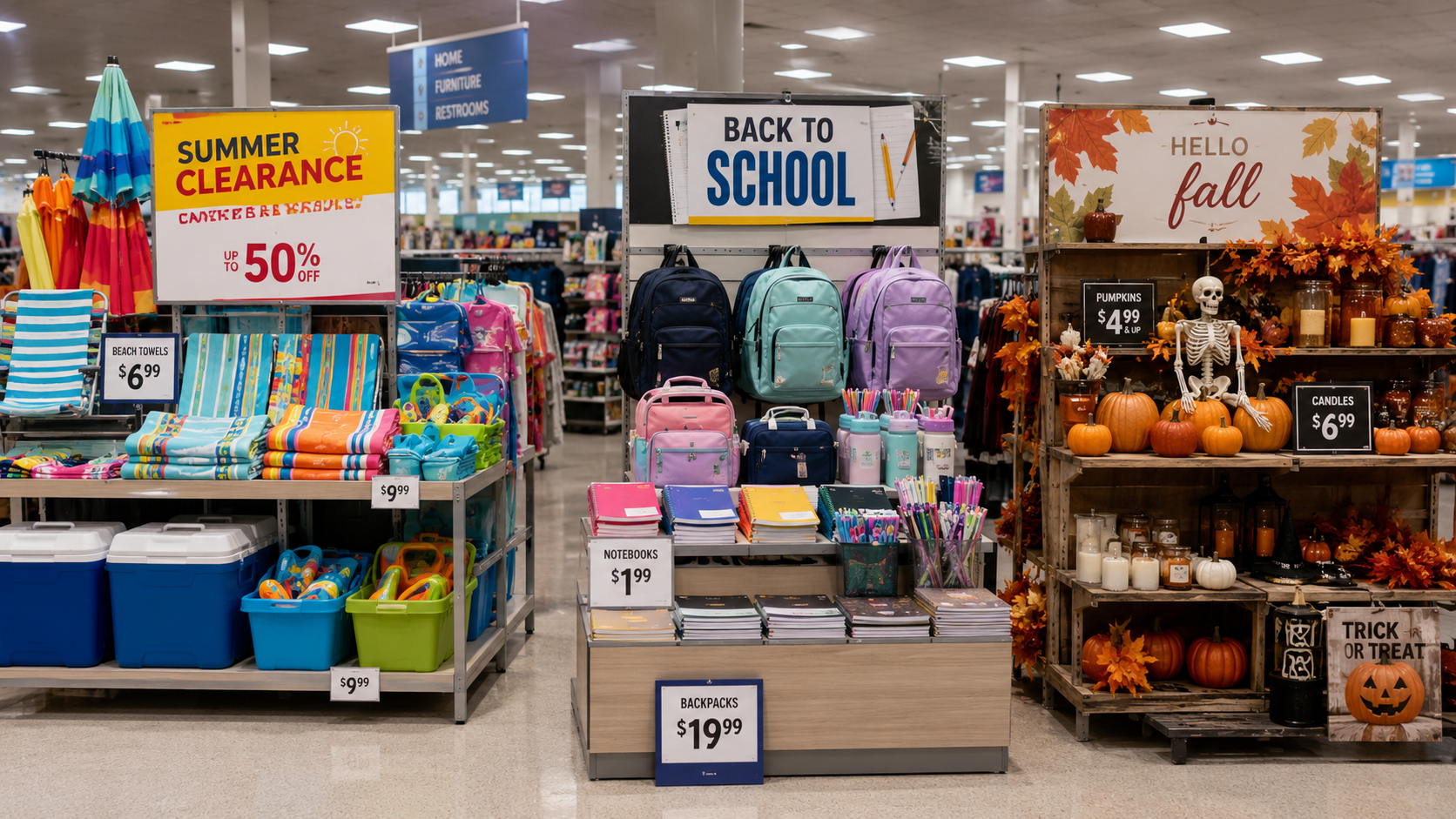
Across multiple sectors, retailers are quietly reducing the number of SKUs they carry in an effort to simplify supply chains, improve inventory turnover, and reduce operational complexity. While the strategy may streamline retail operations, it is creating a secondary effect that manufacturers and distributors are increasingly confronting: large quantities of perfectly good merchandise that no longer fit within revised assortments.
According to research from McKinsey & Company, SKU rationalization has become a central component of retail operating strategy. Companies seeking to improve margins and supply chain visibility are narrowing product assortments, focusing on their highest-performing items while eliminating lower-volume variations.
That decision may simplify forecasting and purchasing, but the product tied to discontinued SKUs still exists somewhere in the system.
“Retailers are being much more disciplined about assortment planning,” says Allen R. Klein, President of the Allen R. Klein Company. “When companies decide to reduce SKUs, they often discover there’s still significant inventory tied to those discontinued items. That product has to move.”
Fewer SKUs, More Inventory Displacement
For decades, retailers competed by expanding assortment depth. Offering more color variations, sizes, configurations, and private-label alternatives became a way to capture consumer attention.
Today the strategy is shifting.
Industry analysts note that retailers are reevaluating the costs associated with overly complex product catalogs. Additional SKUs create challenges across forecasting, purchasing, warehousing, transportation, and merchandising. When demand patterns become unpredictable, managing thousands of individual items becomes even more difficult.
The National Retail Federation has observed that retailers are increasingly prioritizing operational efficiency over maximum assortment breadth. Simplifying product lines allows companies to reduce inventory risk and improve replenishment speed.
But SKU rationalization also produces inventory displacement.
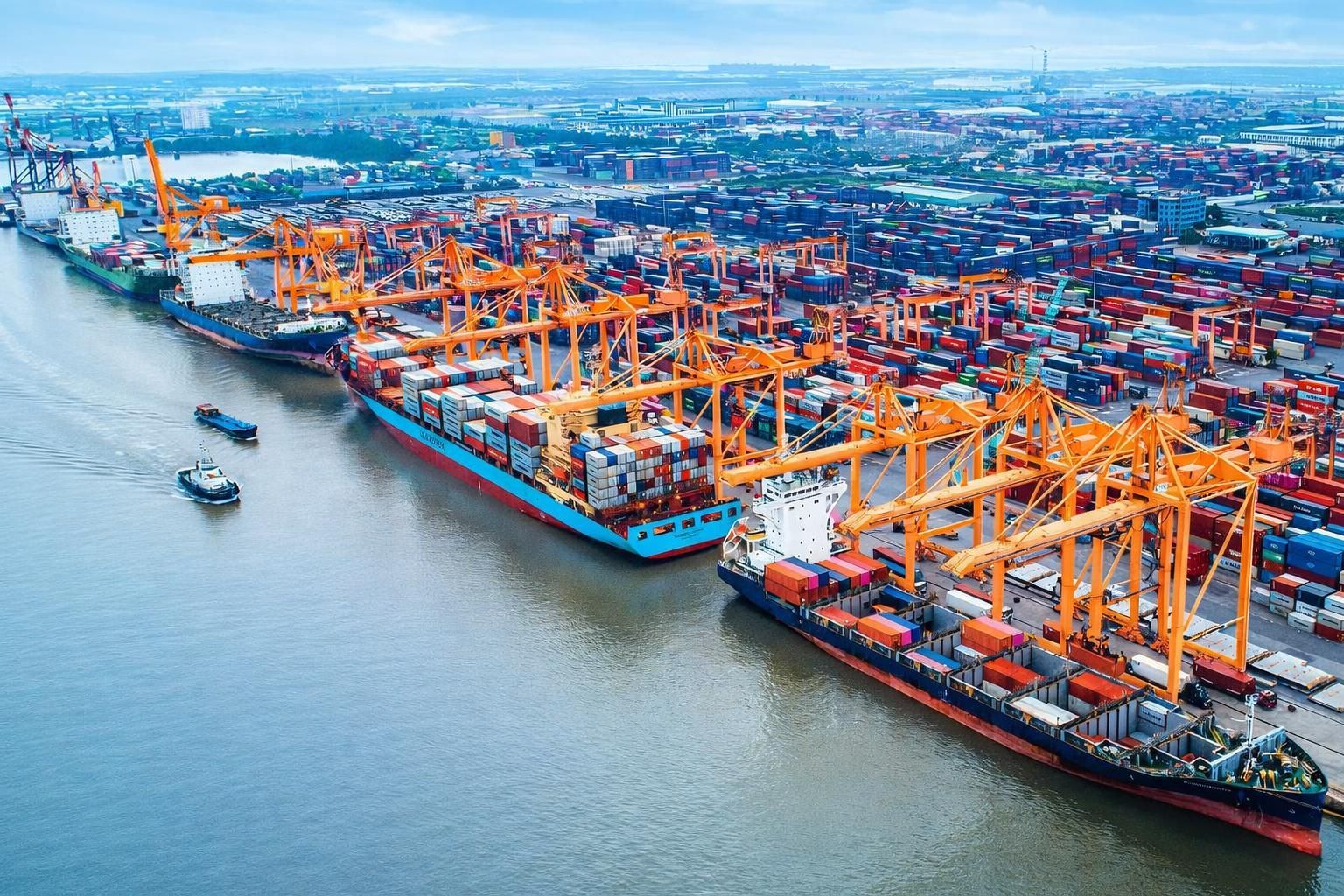
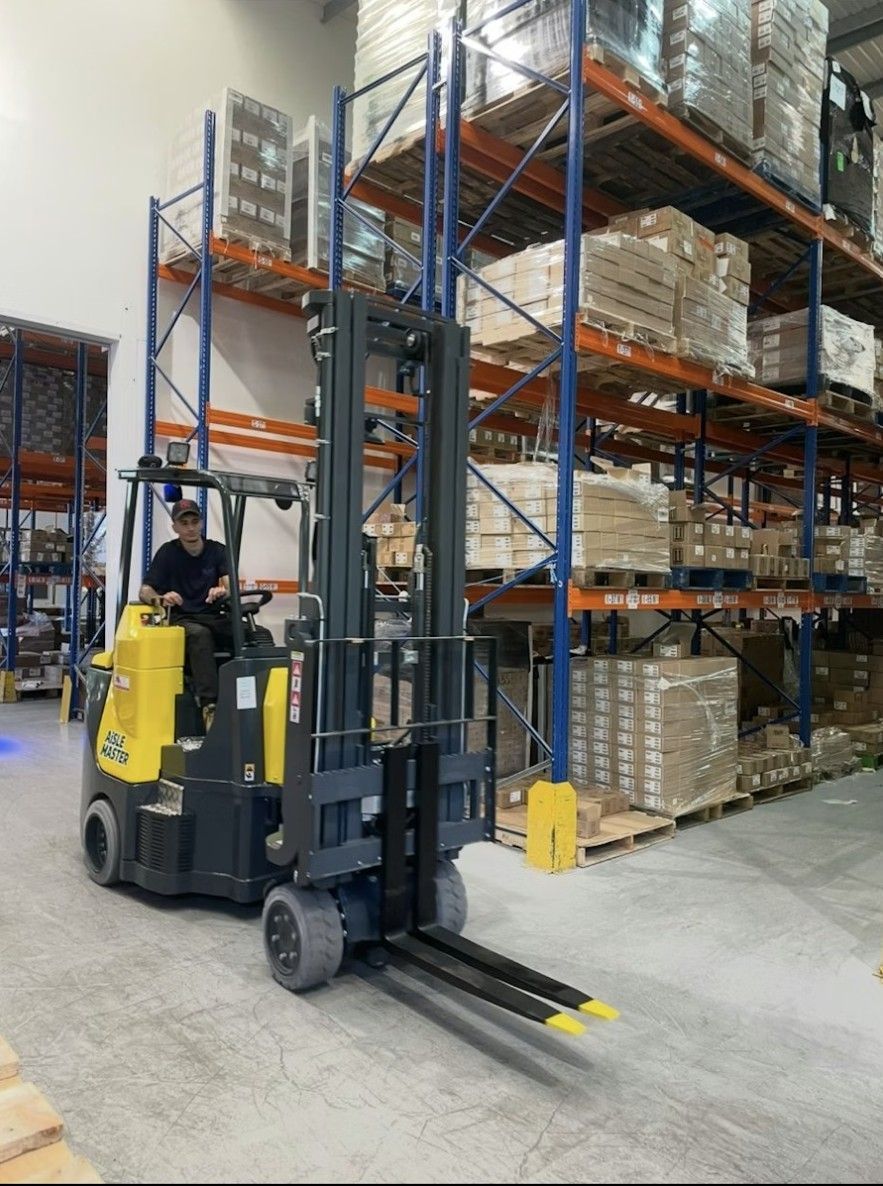
When product lines are consolidated or eliminated, unsold merchandise can remain in distribution centers, import pipelines, or manufacturer warehouses.
“In many cases the product itself is still completely viable,” says Roger Bolduc, Vice President of Operations at the Allen R. Klein Company. “The challenge is that it no longer fits the retailer’s revised assortment plan. Once that decision is made, the inventory has to exit the system quickly.”
Inventory Doesn’t Disappear When Assortments Shrink
SKU reductions typically happen at the planning level months before merchandise is fully sold through.
Retailers may choose to eliminate slower-moving items, duplicate products across brands, or secondary colorways that have historically produced inconsistent demand. Once those decisions are made, purchasing teams stop replenishing those items.
What remains is the inventory already produced.
Manufacturers and distributors frequently find themselves holding merchandise that retailers no longer plan to carry going forward.
Coresight Research has reported that assortment optimization initiatives have accelerated in recent years as retailers attempt to reduce operational costs and improve inventory productivity. Simplifying product catalogs can improve store efficiency and make supply chains easier to manage.
However, those decisions inevitably push excess goods upstream.
“Manufacturers often discover they have product tied to discontinued SKUs that no longer have a primary retail outlet,” Klein explains. “At that point the question becomes how quickly that inventory can be redeployed.”
Speed Matters When SKUs Are Eliminated
Once a product is removed from an active assortment, its value can begin to erode.
Packaging may reference programs that retailers no longer support. Seasonal merchandise can lose relevance. Retailers may introduce updated versions that make previous models less attractive to primary buyers.
Holding inventory for extended periods rarely improves recovery value.
“Time works against you in these situations,” Bolduc says. “When companies recognize that product no longer fits their forward assortment, moving it quickly usually preserves the most value.”
Wholesale liquidation channels have long served as a mechanism for repositioning such goods. Experienced liquidators maintain networks of buyers capable of absorbing significant quantities of product across multiple categories, allowing manufacturers and distributors to move excess inventory efficiently.
Unlike traditional retail clearance strategies, wholesale liquidation typically occurs outside primary sales channels, allowing companies to protect brand positioning while still recovering value from surplus merchandise.
Why Relationships Still Matter
While digital marketplaces have expanded options for selling excess goods, large-scale inventory repositioning still requires operational coordination.
Inventory tied to discontinued SKUs often arrives in large volumes and must be placed quickly. Logistics arrangements, buyer reliability, and payment security all become critical factors.
“Posting product online is not the same as placing it,” Bolduc says. “When thousands of units need immediate movement, relationships matter.”
Klein agrees.
“After more than four decades in this business, we know which buyers can absorb product quickly and responsibly,” he says. “That credibility shortens the cycle time when timing is critical.”
A Structural Shift in Retail Operations
The move toward SKU rationalization reflects broader changes within retail supply chains.
Companies are prioritizing operational efficiency, forecasting discipline, and supply chain visibility. Simplifying assortments helps retailers reduce forecasting errors and streamline logistics.
But the strategy also means inventory adjustments may occur more frequently.
As retailers continue to refine product lines, manufacturers and distributors should expect periodic waves of surplus merchandise tied to discontinued SKUs.
“Retail strategy changes faster than it used to,” Klein says. “Companies that respond quickly when inventory becomes surplus will protect more value than those who wait.”
The Bigger Picture
Retail supply chains are becoming more disciplined, but also less forgiving.
SKU rationalization is likely to continue as retailers seek to reduce complexity and improve margins. When product lines are streamlined, excess inventory inevitably emerges somewhere within the supply chain.
For manufacturers, distributors, and importers, the ability to move that product efficiently becomes a critical operational capability.
Liquidation, in that context, is not simply a last resort. It is an essential tool for managing the modern retail supply chain.
☎️
Ready to Move Inventory?
Contact the Allen R. Klein Company today and learn how decades of experience and trusted relationships can help with your company’s liquidation needs.